

Estratégia de Checkers: Como Vencer o Computador no Próprio Jogo Dele
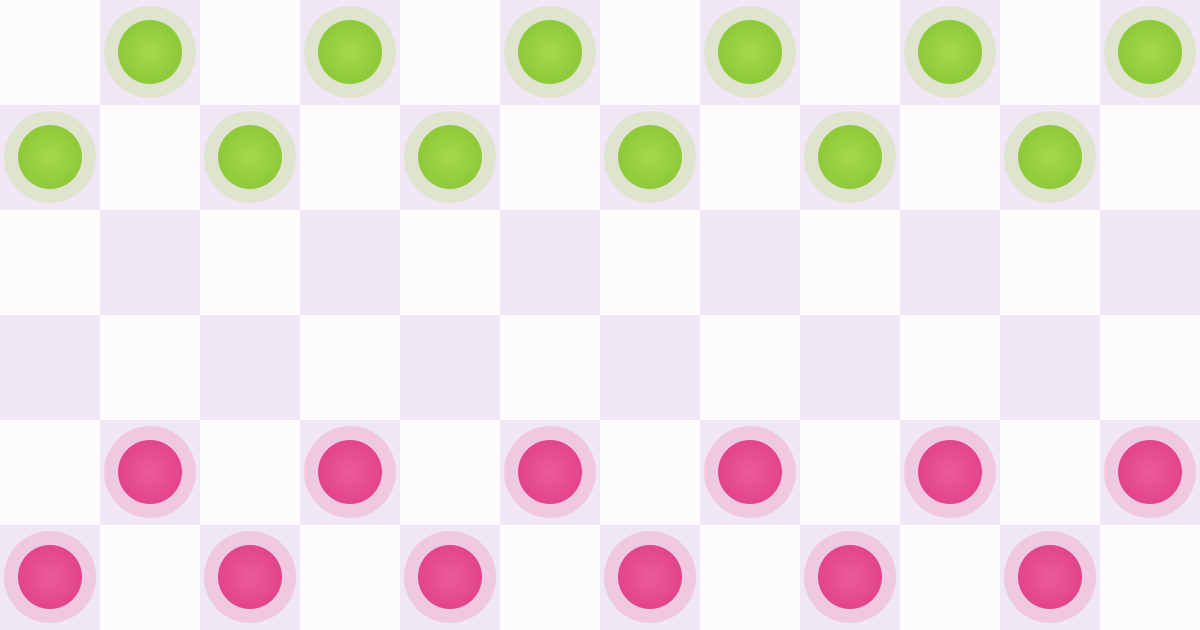
Escrito pela equipe do Playaby. Nós mesmos criamos cada jogo deste site e jogamos cada um deles enquanto escrevemos o guia, então as dicas acima vêm de testes reais das mecânicas — não de conselhos genéricos.
Checkers tem fama de ser o primo inofensivo e simples do xadrez — o jogo que você joga enquanto espera ficar velho o suficiente para algo mais sério. Essa fama subestima o jogo. As regras são mínimas, mas só o salto obrigatório já cria mais posições forçadas e calculáveis do que a maioria dos jogadores casuais espera, e um oponente controlado pelo computador rodando uma busca minimax vai encontrar e punir cada uma delas se você não estiver prestando atenção. Aqui está o passo a passo do que realmente funciona contra ela — abra uma partida de damas online grátis em outra aba e teste cada ideia abaixo enquanto lê.
Controle o centro, não as bordas
Peças nas quatro colunas centrais conseguem se mover em mais direções e ameaçar mais partes do tabuleiro do que peças presas nas bordas. Peças de borda são tecnicamente mais seguras contra captura, já que não há casa de um dos lados para saltar, e essa segurança é exatamente o que tenta jogadores novos a se agarrarem às laterais do tabuleiro. O problema: uma partida vencida puramente ficando seguro, sem nunca controlar o meio, é rara. Você precisa de peças no centro para criar ameaças de verdade, não só para sobreviver.
Saltos obrigatórios mudam todo cálculo
Nas regras padrão, se um salto está disponível, você é obrigado a fazê-lo, mesmo quando é uma troca ruim para você. Essa única regra é o motivo de Checkers recompensar pensar duas ou três jogadas à frente mais do que a simplicidade do tabuleiro sugere que deveria. Antes de mover uma peça para qualquer lugar onde ela possa ser saltada, verifique se esse salto também exporia a peça que saltou a um salto seu. Montar uma troca ruim forçada para o seu oponente é uma das formas mais confiáveis de ganhar vantagem de peças contra uma IA que está calculando exatamente a mesma coisa contra você.
Não troque sem um motivo
Trocar peças — capturar uma peça e perder uma sua na mesma troca — parece produtivo, mas não é automaticamente bom. Menos peças no tabuleiro geralmente favorece quem já está na vantagem, já que sobra menos complexidade para o lado perdedor gerar um contra-jogo. Se você já está na frente, troque à vontade. Se está atrás, evite trocas e mantenha o tabuleiro complicado — uma posição mais bagunçada é sua melhor chance de o oponente cometer um erro.
Proteja sua fileira de trás
Sua fileira de trás inicial existe para impedir que peças adversárias cheguem até o fim e sejam coroadas como Damas. Mova uma peça da fileira de trás cedo demais e você abre um corredor direto até sua linha de base — um corredor que um oponente controlado pelo computador vai explorar no instante em que estiver disponível. Mantenha pelo menos uma ou duas peças na sua fileira de trás pelo maior tempo razoavelmente possível, mesmo que isso atrase um pouco seu desenvolvimento.
Force trocas quando estiver à frente, evite-as quando estiver atrás
Esse ponto merece ser repetido sozinho, porque é o pedaço mais útil de estratégia de Checkers para vencer um computador que joga quase perfeitamente. Uma IA minimax não fica nervosa nem excessivamente confiante, mas avalia posições com base em material e controle do tabuleiro. Se você está com uma peça a mais, simplificar o tabuleiro por meio de trocas consolida essa vantagem. Se você está com uma peça a menos, sua melhor chance é manter o máximo de peças possível no tabuleiro, já que uma posição complicada dá até a uma IA forte mais chances de errar o cálculo nas linhas mais profundas.
| Clássicas | Internacionais | |
|---|---|---|
| Tamanho do tabuleiro | 8x8 | 10x10 |
| Movimento da Dama | Uma casa na diagonal | Voadora — pode mover várias casas na diagonal |
| Saltos | Saltos simples obrigatórios | Multi-saltos obrigatórios que podem capturar várias peças em uma rodada |
- Lute pelas quatro colunas centrais desde cedo, em vez de se agarrar às bordas.
- Antes de cada jogada, verifique se ela te expõe a um salto forçado que você não previu.
- Troque peças quando estiver à frente em material, evite trocas quando estiver atrás.
- Mantenha pelo menos uma peça na fileira de trás pelo maior tempo possível para bloquear Damas inimigas.
- Nas regras Internacionais, respeite o tabuleiro maior e o perigo de uma única Dama voadora.
O que é uma IA minimax e por que é difícil de vencer?
Minimax é uma abordagem de tomada de decisão em que a IA olha várias jogadas à frente, presume que você sempre vai dar sua melhor resposta possível, e escolhe a jogada que te dá o melhor resultado mesmo contra sua melhor defesa. Ela não está chutando nem jogando ao acaso; está calculando várias camadas de "se eu fizer isso, você provavelmente vai fazer aquilo, então eu farei isso" antes de sequer se comprometer com uma jogada. É exatamente por isso que um jogo descuidado e reativo perde para ela de forma consistente: a IA já considerou suas respostas óbvias bem antes de você fazê-las.
Checkers recompensa os mesmos instintos que funcionam na maioria dos jogos de estratégia: controlar o centro, não trocar peças de forma descuidada e pensar algumas jogadas além do estado atual do tabuleiro, não só na peça na sua frente. Nada disso garante uma vitória contra um computador que calcula tudo perfeitamente, mas fecha a diferença muito mais rápido do que saltar toda peça disponível e torcer para dar certo. Pronto para testar? Jogue Checkers Contra o Computador agora e veja quantos desses instintos realmente se sustentam.